Stem Cell Therapy Not a Treatment for Autism, Only Permissible in Clinical Trials: Supreme Court | AOR Supreme Court of India | AOR Tushar Garg
Supreme Court of India has categorically held that stem cell therapy cannot be used as a treatment for Autism Spectrum Disorder (ASD). The Court clarified that such therapy may be permitted only within the strict framework of approved clinical trials, and not as a commercial or routine medical treatment.
This judgement carries deep implications for parents of autistic children, medical practitioners, and the rapidly expanding field of alternative and experimental therapies in India.
Understanding Autism and the Emotional Vulnerability of Families
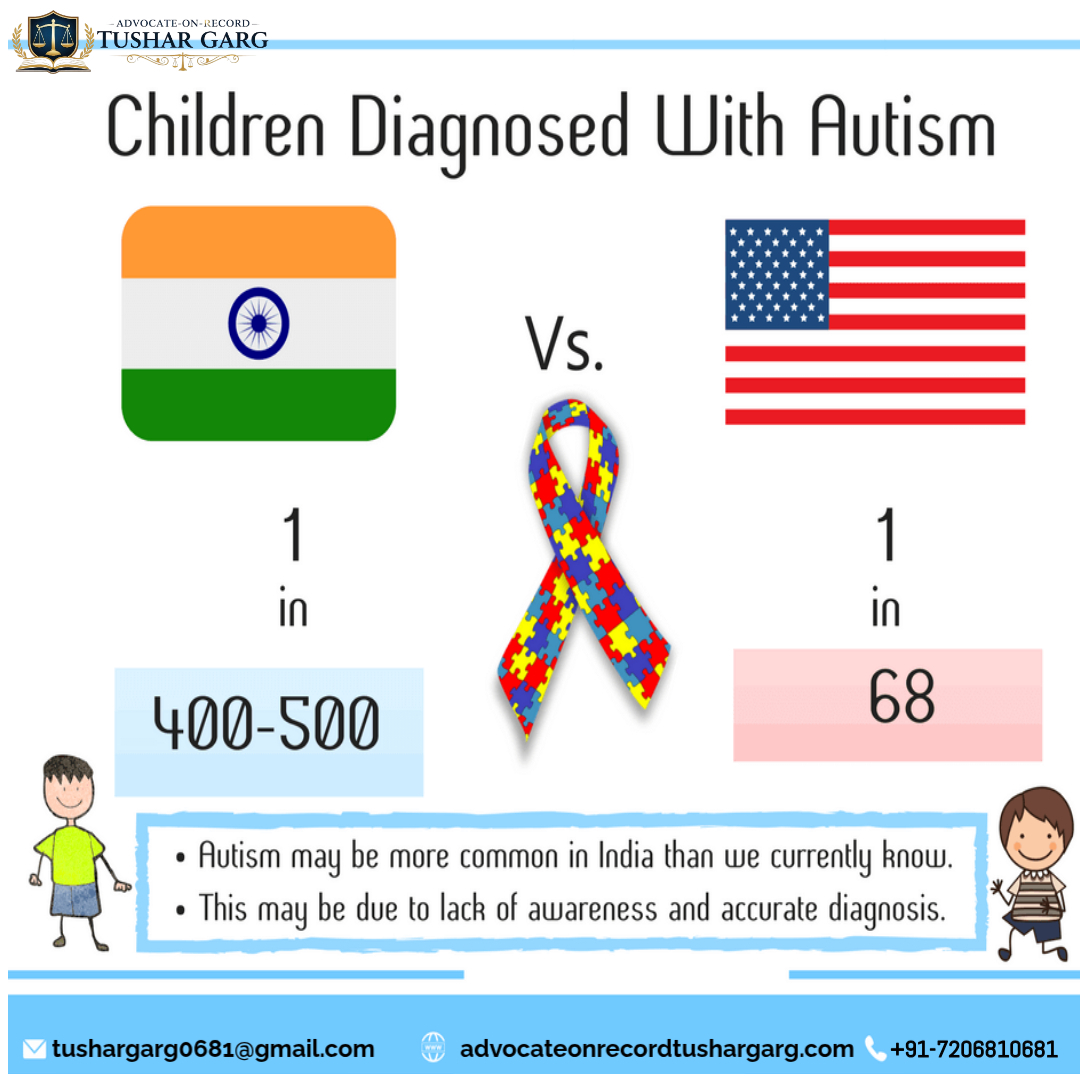
Autism Spectrum Disorder is a neurodevelopmental condition, not a disease that can be “cured” through medication or invasive procedures. It affects communication, social interaction, and behaviour, with each individual experiencing it differently.
Families of children with autism often face emotional, social, and financial stress. In their search for hope, many parents are drawn toward unverified or experimental therapies, especially when these are marketed as “breakthrough cures.” The Supreme Court took serious note of this vulnerability.
The Court observed that false hope, when mixed with unregulated medical practices, can cause irreversible harm, both physically and emotionally.
Stem Cell Therapy: Promise vs. Proof
Stem cell research is undoubtedly a promising area of modern medicine. It has shown potential in regenerative treatments for certain conditions under controlled scientific environments. However, the Court emphasised a crucial distinction:
Potential does not equal proven treatment.
At present, there is no conclusive scientific evidence establishing stem cell therapy as a safe or effective treatment for autism. Despite this, some clinics have been offering it as a paid treatment, often without regulatory approval.
The Supreme Court firmly stated that medical science cannot be driven by market forces or desperation, but must be guided by evidence, ethics, and regulation.
Supreme Court’s Clear Stand: Treatment vs. Clinical Trial
The Court drew a sharp legal and ethical line between:
Clinical trials, which are regulated, monitored, and research-oriented
Medical treatment, which is offered as a standard, accepted cure
Stem cell therapy, according to the Court, falls strictly in the first category when it comes to autism.
This means:
It cannot be prescribed or sold as a treatment
It can be used only after regulatory approvals
It must follow guidelines issued by competent medical authorities
Informed consent and ethical oversight are mandatory
Any deviation from this framework, the Court warned, would amount to medical negligence and exploitation.
Role of AORs in Raising Public Health Concerns
This issue reached constitutional scrutiny due to responsible legal intervention. Advocates-on-Record (AORs) play a critical role in ensuring that matters involving public health, ethics, and constitutional rights receive judicial attention.
The arguments emphasized that allowing unproven therapies as treatment violates:
The Right to Life under Article 21
The right to safe and ethical healthcare
The principle of informed consent
The involvement of Tushar Garg, AOR, Supreme Court of India, highlighted how an AOR Supreme Court of India functions not merely as a procedural representative, but as a guardian of constitutional values. His submissions stressed that medical innovation must never override patient safety or scientific integrity.
Protecting Children from Medical Exploitation
The Supreme Court paid special attention to the fact that children with autism cannot independently consent to experimental procedures. This places a higher duty of care on:
Parents
Doctors
Hospitals
Regulatory bodies
The Court noted that commercializing stem cell therapy for autism amounts to exploiting parental anxiety, and such practices must be curbed firmly.
By restricting stem cell use to clinical trials, the Court ensured that:
Children are protected from unproven risks
Data generated contributes to genuine scientific knowledge
Ethical standards are preserved
A Message to the Medical Community
The judgment sends a strong signal to medical professionals and institutions across India:
Innovation must be evidence-based
Ethics are non-negotiable
Regulatory compliance is mandatory
Doctors offering or advertising stem cell therapy as a “treatment” for autism could now face legal and professional consequences.
This reinforces the idea that medicine is a profession of trust, not experimentation without accountability.
Hope Rooted in Support, Not False Cures
Importantly, the Supreme Court did not dismiss the need for supporting autistic individuals. Instead, it indirectly emphasized evidence-based interventions such as:
Behavioral therapy
Speech and occupational therapy
Inclusive education
Family counseling
Autism is not something to be erased—it is something to be understood, supported, and accommodated.
Conclusion
The Supreme Court’s ruling that stem cell therapy cannot be used as a treatment for autism is a vital step toward ethical healthcare and child protection. By allowing its use only in regulated clinical trials, the Court has upheld scientific discipline, medical ethics, and constitutional values.
With responsible advocacy by AORs, including AOR Tushar Garg, the judiciary has reaffirmed that hope must be honest, and medicine must be safe. For families navigating autism, this judgment redirects focus from risky shortcuts to compassionate, proven, and humane support systems—where dignity and well-being come first.