
Supreme Court agreeing to hear a plea against the UGC’s new anti-discrimination (equity) rules in India
🧑⚖️ What the Supreme Court has done
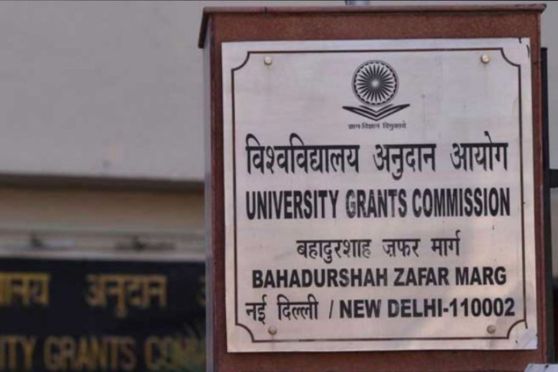
The Supreme Court of India has agreed to list for hearing a petition challenging the University Grants Commission’s (UGC) newly notified anti-discrimination / equity regulations of 2026. The case was mentioned for urgent listing before a bench led by Chief Justice of India Surya Kant. The court has not yet decided on the merits — it has only agreed to schedule the case for a full hearing after the petition’s defects are cured.
📌 What the petition argues
The plea challenges the University Grants Commission (Promotion of Equity in Higher Education Institutions) Regulations, 2026 — new binding rules aimed at preventing discrimination, including caste-based bias, in universities and colleges.
Petitioners argue that the definition of “caste-based discrimination” in the regulations is exclusionary because it restricts protections to Scheduled Castes (SC), Scheduled Tribes (ST) and Other Backward Classes (OBC), excluding general (non-reserved) category students and staff from institutional protection and grievance redressal mechanisms like Equal Opportunity Centres and Equity Committees.
critics say this creates a hierarchy of protection that they claim could violate constitutional rights (Articles 14, 15(1) and 21) by denying equal safeguards to those not in reserved categories.
📜 What the new UGC rules do
The 2026 equity regulations, notified on January 13, 2026, replace the earlier 2012 framework and make anti-discrimination measures mandatory across all higher education institutions. They require:
Equal Opportunity Centres to handle discrimination complaints,
Equity Committees with representation from SC/ST/OBC groups, women and persons with disabilities,
Faster complaint handling, reporting obligations and institutional accountability.
⚖️ Context & reactions
The rules were framed following a 2025 Supreme Court direction to strengthen anti-discrimination safeguards in higher education after high-profile cases of caste bias.
The controversy has sparked protests and debate nationwide, with supporters calling the rules a step toward inclusion and critics arguing they can be misapplied or are unfairly narrow in scope.
Government officials, including the Union Education Minister, have defended the regulations and said they won’t be misused, while the legal challenge presses for a caste-neutral definition of discrimination.
Advocate-on-Record Tushar Garg is planning to representing another set of petitioners before the Hon’ble Supreme Court in the challenge to the UGC’s new anti-discrimination regulations.