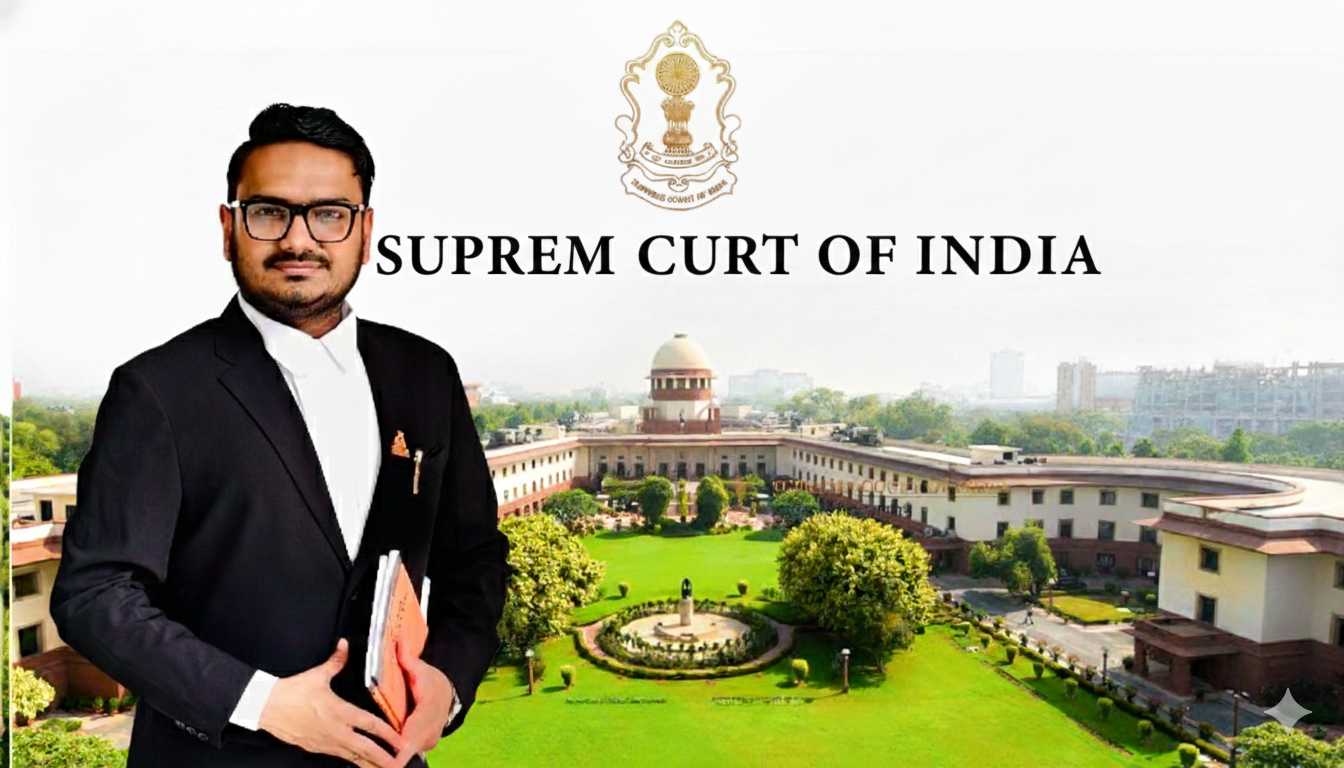
SIR Hearing Live: Supreme Court Issues Show-Cause Notice to Bengal Top Cop
The Special Intensive Revision (SIR) of electoral rolls in West Bengal has turned into one of the most heated legal and political battles in the country. At the centre of these developments is the Supreme Court of India, which is overseeing multiple petitions challenging how the SIR process is being conducted — and holding authorities accountable when procedures are questioned.
Earlier this week, the Supreme Court issued a show-cause notice to a senior West Bengal police officer — widely described in live updates as a “top cop” — for failure to ensure compliance and smooth conduct of the voter list revision process. This action underscores the apex court’s firm stance that electoral exercises must be transparent, fair and fully compliant with constitutional safeguards.
What is the SIR controversy about?
The Special Intensive Revision (SIR) is an exercise by the Election Commission of India (ECI) aimed at updating West Bengal’s electoral rolls. Its stated objective is to remove duplicate, invalid or ineligible entries — theoretically ensuring that only eligible voters remain on the list.
However, the execution of this process has sparked intense criticism and legal challenges, particularly from the ruling party in West Bengal and various opposition figures. The core of the dispute lies in allegations that:
Large numbers of legitimate voters are being removed due to minor spelling variations or procedural mismatches;
Notices for verification hearings have been sent to people flagged under the “logical discrepancy” category (e.g., mismatches in surnames, addresses or age data) — even in cases where documentation is clear;
“Micro-observers” appointed by the ECI — many from outside the state — are effectively overruling local Booth Level Officers (BLOs), leading to unjust exclusions; and
There is an alleged lack of proper acceptance of valid documents (including sanctioned house allotment letters) that should prove residency and eligibility.
In numbers, over 1.36 crore electors were placed under the logical discrepancy list — a category that critics say has been applied too broadly, putting names at risk of deletion.
Inside the Supreme Court hearing
During the latest hearing on February 9, 2026, a bench led by Chief Justice of India Surya Kant, supported by Justices Joymalya Bagchi and Vipul M. Pancholi, took up the matter amid passionate submissions from both sides.
Among the key developments:
⚖️ Supreme Court questions the West Bengal government:
The bench pressed the state over delaying the submission of names of Group-B officers who were to be deployed to assist in the SIR process. The court was pointedly critical of last-minute communications, asking why the list was sent late at night when earlier directions had been clear.
⚖️ Bench reacts to procedural issues:
Justice Bagchi highlighted the limitations of rigid software-based decisions that flagged voters simply due to surname variations or age gaps that are common in real life. The bench reiterated that such anomalies should not automatically lead to exclusion without proper human verification.
⚖️ ECI counsel’s submissions:
Counsel for the Election Commission defended the role of micro observers, describing their participation as advisory, assisting officers in hearings and not making final decisions. The bench, however, emphasized that ultimate decisions must be credible and rooted in ground realities.
⚖️ Focus on manpower and training:
The court recognised concerns over the lack of trained personnel, especially those unfamiliar with local contexts, while also balancing the need to complete the SIR before impending election deadlines.
Show-Cause Notice: A Strong Message from the Court
Perhaps the most significant development was the Supreme Court’s decision to issue a show-cause notice to a senior West Bengal police official. While details may evolve, issuing such a notice signals that the court is prepared to hold not just electoral bodies, but also law-and-order authorities responsible for ensuring that the SIR process unfolds without legal or administrative lapses.
A show-cause notice requires the official to explain in writing why action should not be taken against them for the matters specified. Such notices are serious tools in the court’s arsenal — and are aimed at enforcing accountability in matters affecting citizens’ fundamental rights. While not a charge or penalty in itself, it opens the door to further judicial directions if the explanation is deemed insufficient.
Political and public reactions
The hearing has drawn significant political attention. West Bengal Chief Minister Mamata Banerjee personally argued in court in earlier sessions, accusing the SIR exercise of being used to “bulldoze” the electorate, especially in the run-up to elections. She has alleged that the process disproportionately targets only Bengal, not other states where similar roll revisions are underway.
Critics of the SIR process argue that the sheer scale of discrepancy notices and the short timelines pressurise voters and risk disenfranchisement — particularly of the elderly, marginalised or those with genuine documentation variances.
Meanwhile, the Election Commission maintains that the revisions are legally valid and necessary to maintain clean and accurate rolls — a core requirement for free and fair elections.
What’s next?
The Supreme Court’s intervention means the SIR process in West Bengal is under close judicial scrutiny. The show-cause notice, ongoing submissions from both sides, and the bench’s detailed queries point toward a careful balancing act — between electoral integrity and voter rights.
As the hearings proceed, the court may issue further orders on transparency measures, timelines, and guidelines for fair implementation. The next few days could prove pivotal — not only for electoral law in Bengal but for wider jurisprudence on voter rights and administrative accountability in India.
If you want updates on this as the hearing progresses, or a plain-language explanation of key terms like “logical discrepancy” or “micro observers,” just let me know!
About AOR Tushar Garg
AOR Tushar Garg is a qualified Advocate-on-Record at the Supreme Court of India, known for providing reliable and result-oriented legal services across diverse practice areas. He assists individuals, businesses, and organizations in matters related to corporate law, dispute resolution, intellectual property, banking and finance, and regulatory compliance. With a strong understanding of legal procedures and documentation, he represents clients before various courts and tribunals while ensuring that their rights and interests are effectively protected. His professional approach emphasizes transparency, strategic legal advice, and efficient handling of complex legal matters from consultation to resolution.